Water Damage — Miami, FL
24/7 Emergency Service
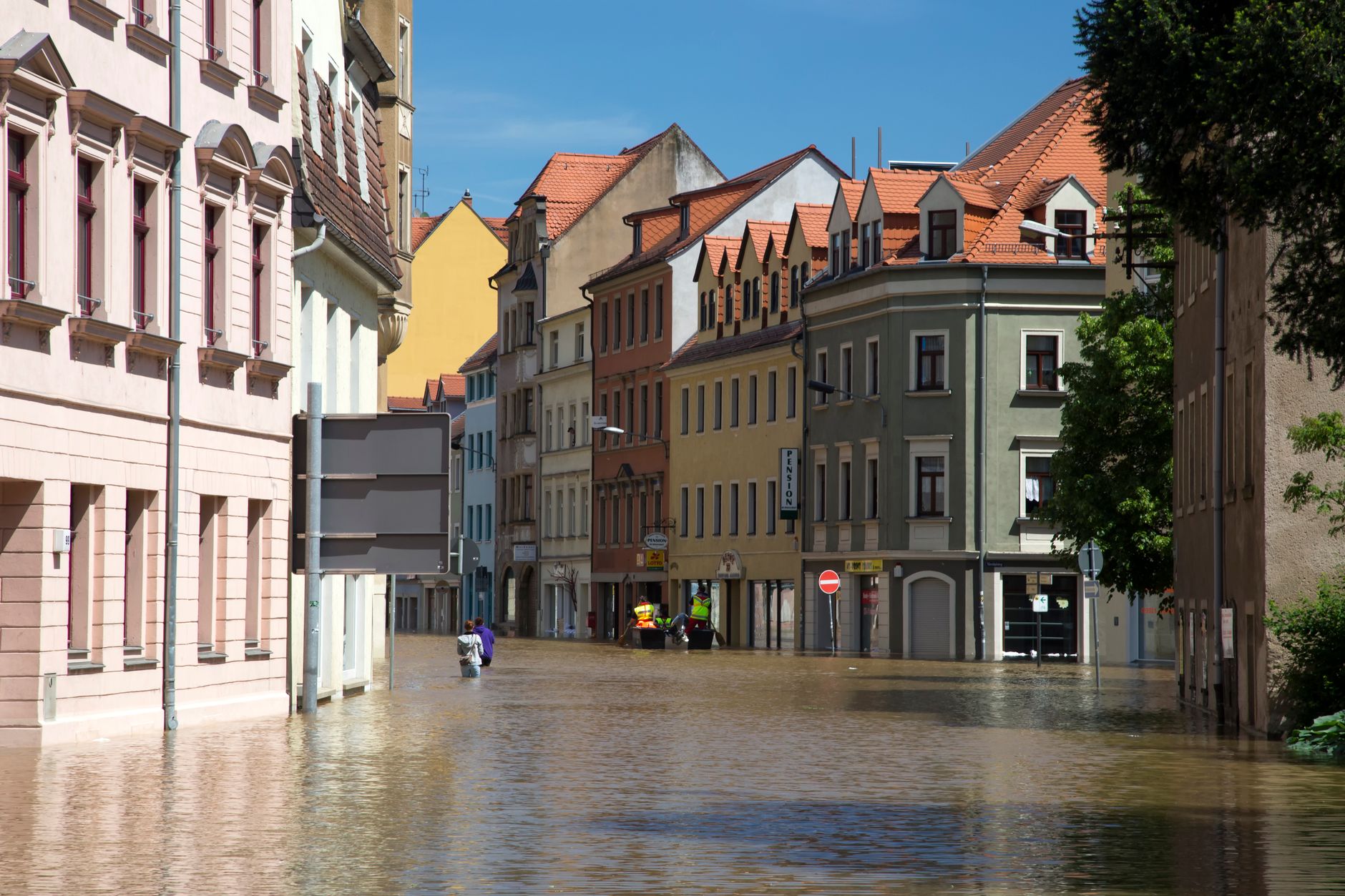
Street flooding in a European city with historic architecture under a sunny sky.

Compare Vetted Water Damage Pros in Miami, FL

Get free, no-obligation quotes from independent, licensed water damage companies near you. Our matching service connects you with vetted local pros so you can compare options and get help fast.

  • Vetted local pros
  • Free & no obligation
  • Compare multiple quotes
  • Licensed & insured pros only
  • Fast response
  • Screened and background-checked

Why Water Damage — Miami, FL

We are a free matching service that connects homeowners in Miami, FL with independent, licensed water damage restoration companies. We screen and vet local pros to help you find reliable help quickly. We are not a water damage provider—we simply match you with qualified professionals who can handle your specific needs.

Miami's subtropical climate brings intense humidity, frequent thunderstorms, and the ever-present threat of hurricanes from June through November. Combined with an aging housing stock—many Art Deco and mid-century buildings in neighborhoods like Coral Gables, Coconut Grove, and Little Havana—water intrusion is a common issue. Flat roofs, older plumbing, and high water tables in areas near Biscayne Bay mean that even minor storms can lead to significant water damage. Whether you're in Brickell, Kendall, or Hialeah, our matched pros understand the unique challenges of South Florida's building styles and weather patterns.

Proudly serving

  • Miami
  • Coral Gables
  • Miami Beach
  • Hialeah
  • Kendall
  • Doral
  • Brickell
  • Coconut Grove
  • Little Havana
  • North Miami
  • Homestead
  • Key Biscayne

Guides & resources

Helpful, no-nonsense info on water damage in Miami, FL — costs, choosing a pro, and what to watch for.

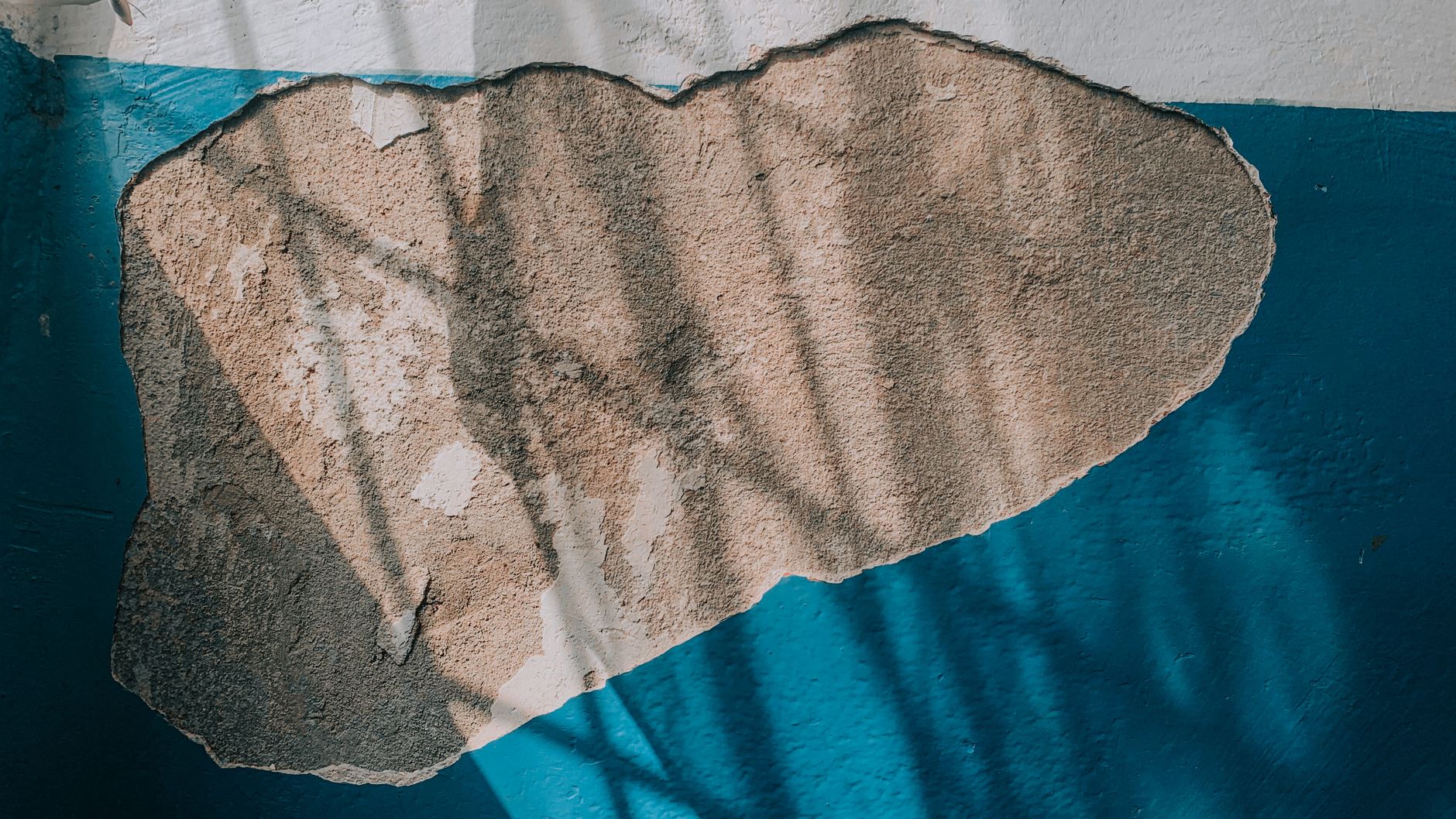
Detailed view of a wall with peeling blue paint and exposed plaster, showing textures and shadows.
Homeowner guide

How Much Does Water Damage Restoration Cost in Miami?

If you're dealing with water damage in Miami, one of the first questions you'll have is about cost. While every situation is unique, understanding typical price ranges can help you budget and compare quotes.

For minor issues like a small leak or a few square feet of water damage, you might pay between $500 and $1,500. Moderate damage—such as a flooded room or significant drywall replacement—often runs from $1,500 to $5,000. Severe cases, like whole-home flooding after a hurricane, can exceed $10,000.

Labor and equipment are the main cost drivers. Professional drying equipment, including dehumidifiers and air movers, is essential to prevent mold. In Miami's humid climate, thorough drying is critical.

Most restoration companies charge by the square foot for affected areas, plus an hourly rate for labor. Some also charge for emergency response, especially outside normal business hours.

To get the best price, we recommend getting at least three quotes from vetted local pros. Our free matching service can help you compare options quickly.
Architect using a level for construction checks, wearing safety helmet.
Homeowner guide

How to Choose a Water Damage Company in Miami

Choosing the right water damage company is crucial to protect your home and health. In Miami, where humidity and storms are common, you need a pro who knows local conditions.

Start by checking credentials. Ensure the company is licensed in Florida and carries liability insurance and workers' compensation. Ask about their experience with your type of damage—whether it's from a burst pipe, storm surge, or sewage backup.

Read online reviews but take them with a grain of salt. Look for consistent feedback about response time, professionalism, and thoroughness. Ask for references from recent clients in your area.

Get detailed written estimates from at least three companies. Compare not just the price but the scope of work, including drying time and mold prevention measures. Be wary of extremely low bids—they may cut corners.

Finally, confirm they offer a warranty on their work. A reputable company will stand behind their services.

Our matching service can help you find vetted pros who meet these criteria, saving you time and giving you peace of mind.

Moody grunge-style room with stained walls and fluorescent ceiling light.
Homeowner guide

5 Warning Signs You Need Water Damage Restoration

Water damage isn't always obvious. In Miami's humid climate, small leaks can quickly lead to mold and structural issues. Here are five signs you should call a professional.

1. Musty odors: A persistent musty smell often indicates hidden moisture or mold. If you notice it, don't ignore it.

2. Stains or discoloration: Yellow or brown spots on ceilings or walls are classic water damage signs. They may appear after a storm or a plumbing leak.

3. Peeling or bubbling paint: Water behind walls can cause paint to bubble or peel. This is a sign of moisture intrusion.

4. Warped or buckling floors: Hardwood or laminate floors that warp or buckle are often damaged by water. This can happen even from high humidity.

5. Increased utility bills: A sudden spike in your water bill could indicate a hidden leak. Check your meter and inspect for wet spots.

If you notice any of these, act quickly. Water damage worsens over time, and mold can start growing within 24-48 hours. Our matching service can connect you with pros who can assess the situation and prevent further damage.

Three individuals collaborating on a home insurance policy document. Elements include a clipboard, notes, and pointing hands.
Homeowner guide

How to File a Water Damage Insurance Claim in Florida

Filing an insurance claim for water damage in Florida can be complex, but with the right steps, you can maximize your chances of a fair settlement.

First, document everything. Take photos and videos of the damage before any cleanup. Keep receipts for any temporary repairs or expenses.

Review your policy carefully. Know what's covered and what's excluded. In Florida, flood damage is typically not covered by standard homeowners' policies—you need separate flood insurance. Sudden and accidental water damage, like from a burst pipe, is usually covered.

Contact your insurance company as soon as possible. They will send an adjuster to assess the damage. Be present during the inspection and point out all affected areas.

Get a detailed estimate from a water damage restoration company. Your contractor can often work with the adjuster to agree on the scope of work. Be wary of adjusters who underestimate costs.

If your claim is denied or undervalued, you have the right to appeal. Consider hiring a public adjuster if the claim is large.

Our matched pros can help you document the damage and provide estimates that support your claim.

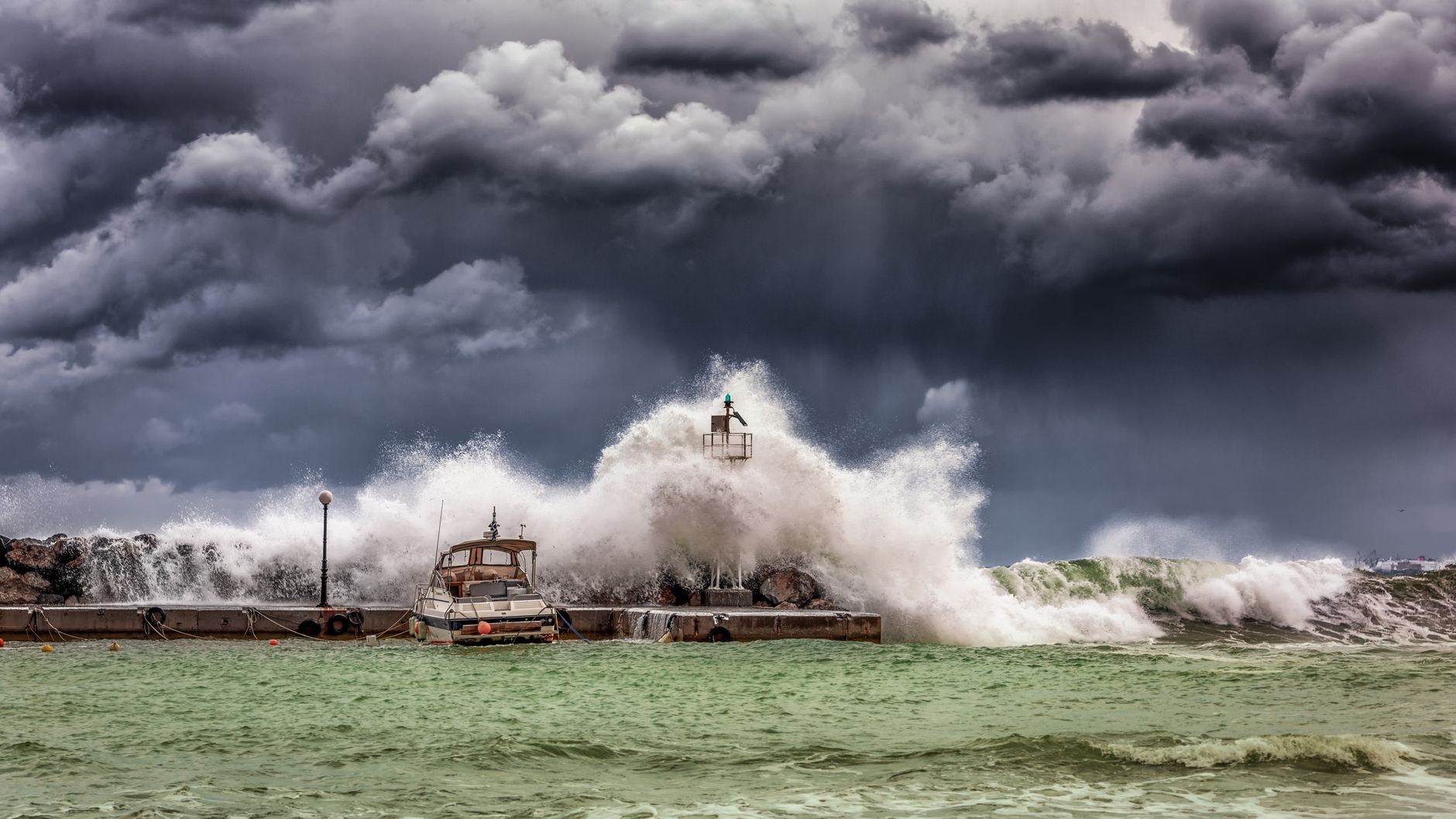
Powerful waves crash against a pier and lighthouse under dark stormy skies.
Homeowner guide

How to Prevent Water Damage During Miami's Hurricane Season

Hurricane season runs from June to November in Miami, and preparation is key to avoiding costly water damage. Here are practical steps to protect your home.

Clear your gutters and downspouts before storms. Clogged gutters can cause water to back up and seep into your roof or foundation.

Inspect your roof for loose or missing shingles and repair any leaks. Consider installing storm shutters or impact-resistant windows to prevent wind-driven rain.

Seal cracks in your foundation and around windows and doors. Use waterproof caulk and weatherstripping.

Install a sump pump in your basement or low-lying areas, and consider a battery backup in case of power outages.

Elevate appliances and valuables in flood-prone areas. Move electronics and important documents to higher floors.

Trim trees and remove dead branches that could fall on your home during high winds.

Finally, create an emergency plan and know your evacuation routes. If you experience water damage, our matching service can connect you with pros who specialize in storm damage restoration.

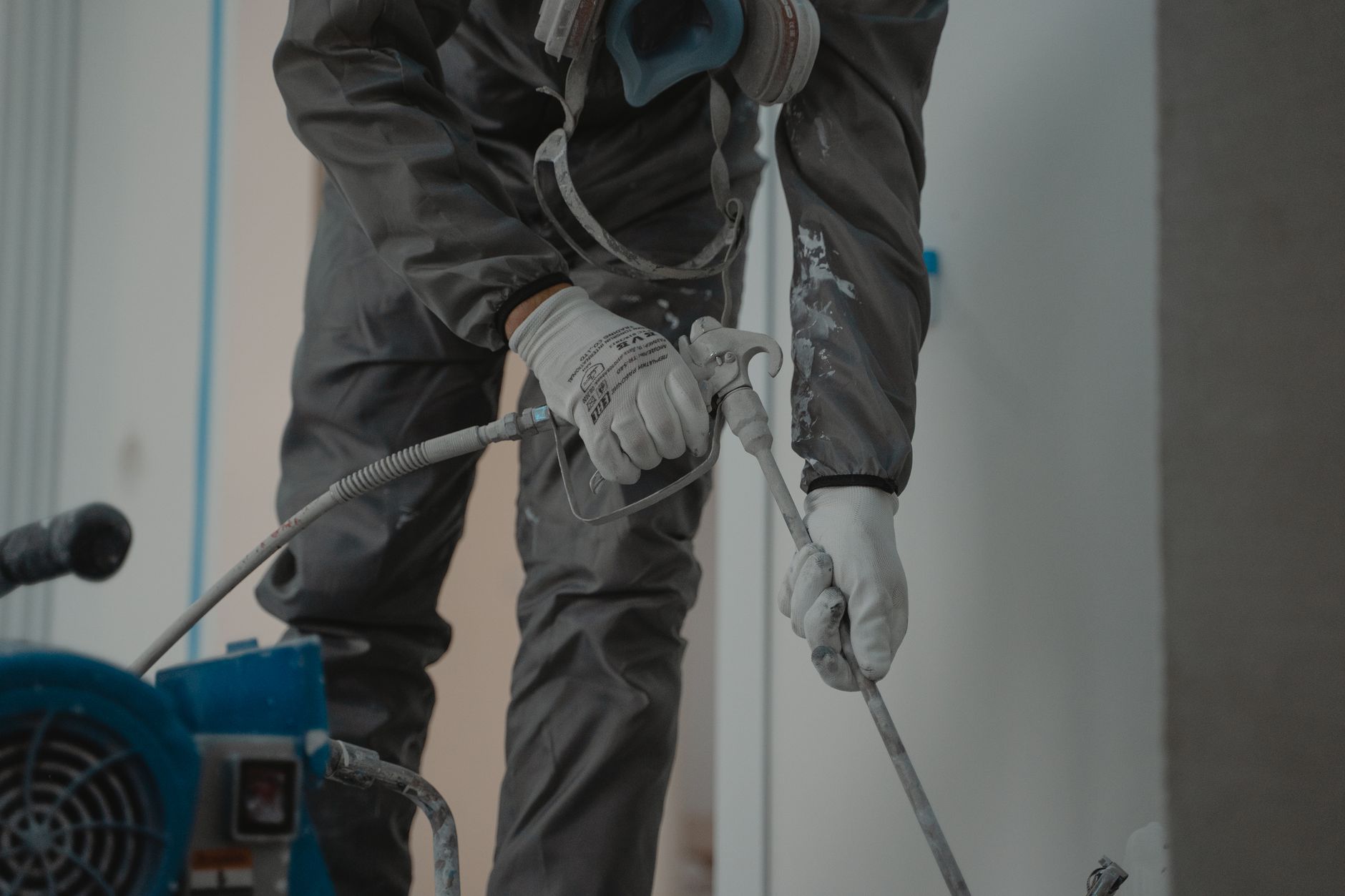
Worker in protective gear using a power spray for indoor renovation.
Industry

The Water Damage Restoration Process in Miami: What to Expect

Water damage restoration is a multi-step process that requires specialized equipment and expertise. In Miami, where humidity is high, proper drying is essential to prevent mold.

The process typically begins with an assessment. A technician will inspect the affected areas, identify the source of water, and categorize the damage (clean, gray, or black water).

Next, water extraction removes standing water using pumps and vacuums. This is followed by drying and dehumidification, which can take several days. Industrial-strength dehumidifiers and air movers are used to remove moisture from walls, floors, and furniture.

Once everything is dry, cleaning and sanitizing are performed to eliminate bacteria and odors. This may involve antimicrobial treatments.

Finally, restoration and repair bring your home back to its pre-damage condition. This can include replacing drywall, flooring, and other structural elements.

In Miami, the humid climate makes thorough drying critical. Even after visible drying, moisture can remain hidden in walls, leading to mold growth. Professional restoration companies use moisture meters and thermal imaging to ensure complete dryness.

Understanding this process can help you choose a qualified pro and know what to expect during the restoration.

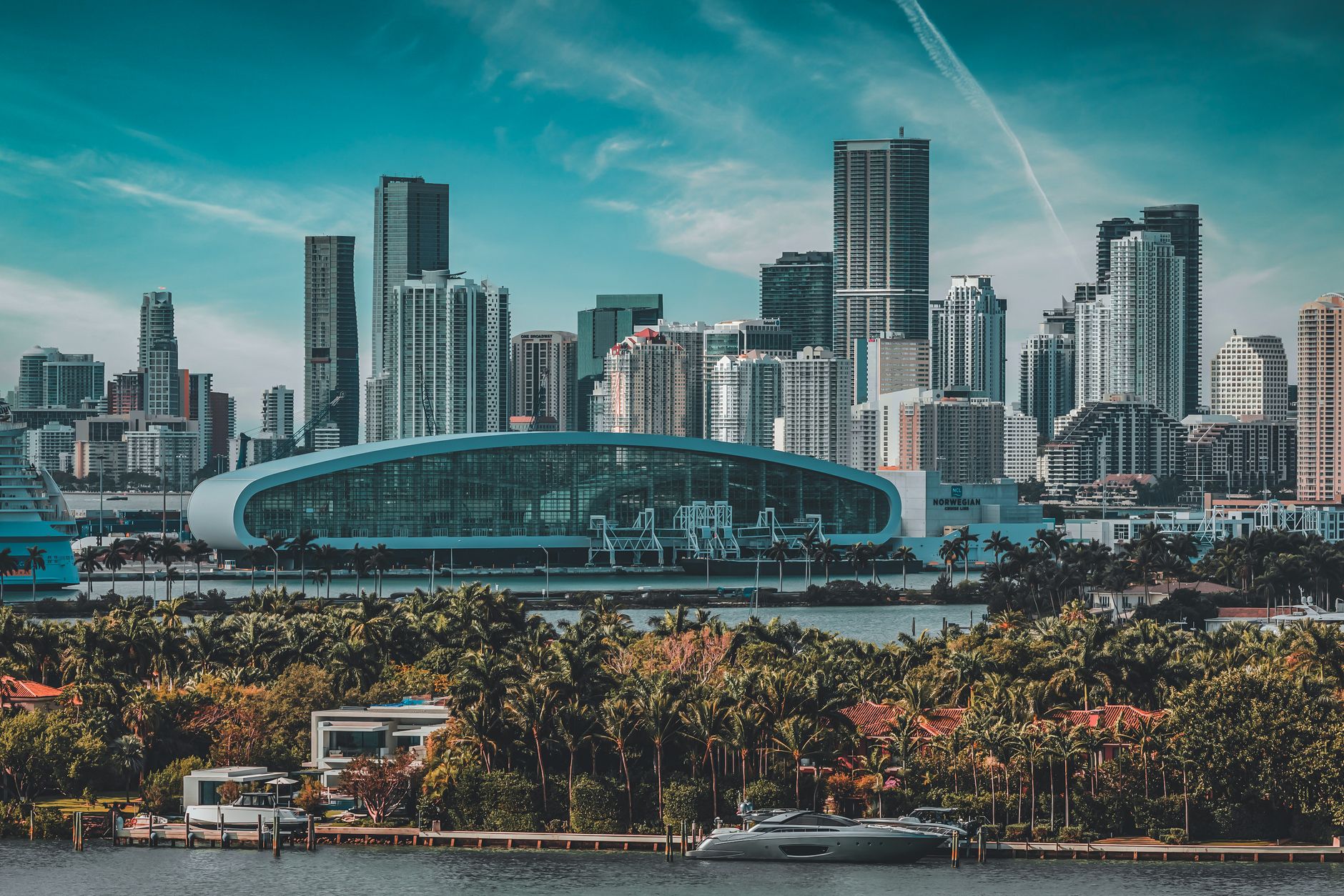
Scenic view of Miami skyline with modern skyscrapers and waterfront palm trees under blue skies.
Industry

Why Miami Homes Are Prone to Water Damage

Miami's unique environment makes homes particularly susceptible to water damage. From the subtropical climate to the region's geology, several factors contribute.

First, the climate: Miami receives about 60 inches of rain per year, with intense downpours common during summer afternoons. Combined with high humidity, this creates a constant risk of water intrusion.

Second, the water table is high in many parts of Miami-Dade County. This means groundwater can seep into basements and crawl spaces, especially during heavy rains.

Third, Miami's building stock is diverse, including historic Art Deco buildings in South Beach and mid-century homes in Coral Gables. Older buildings often have outdated plumbing and roofing systems that are more prone to leaks.

Fourth, the threat of hurricanes and tropical storms is ever-present. Storm surge and wind-driven rain can cause catastrophic flooding.

Finally, many homes have flat or low-slope roofs, which are more susceptible to ponding water and leaks if not properly maintained.

Understanding these factors helps homeowners take preventive measures and know when to call a professional. Our matching service connects you with pros who are familiar with Miami's specific challenges.

Our services

Emergency water extraction
Structural drying and dehumidification
Mold remediation and prevention
Sewage backup cleanup
Flooring and drywall repair
Contents restoration and pack-out
Flood damage restoration
Leak detection and repair

Frequently asked questions

How does the matching service work?

Simply tell us about your water damage issue and your location in Miami. We'll connect you with vetted local water damage pros who can help. You'll receive quotes and can choose the one that fits your needs.

Is this service really free?

Yes, our matching service is completely free for homeowners. We are compensated by the water damage companies when they get the job, so there's no cost to you.

How fast can I get help?

Many of our matched pros offer 24/7 emergency response. After you submit your request, you can often receive a call within a few hours, depending on the severity and time of day.

Are the pros vetted?

Yes, we screen all water damage companies in our network. They must be licensed, insured, and have a track record of quality work in the Miami area.

How much does water damage restoration cost?

Costs vary widely based on the extent of damage, but typical water damage restoration in Miami can range from $1,300 to $5,500 for minor to moderate issues. Severe flooding can cost more. We recommend getting multiple quotes to compare.

Will my insurance cover water damage?

Many homeowner's insurance policies cover sudden and accidental water damage, but not all. Flood damage is often separate. Your matched pro can help you document the damage and work with your insurance adjuster.